Category: Equity

Preparing Students to Challenge Inequity

The authors of Educating for Justice provide a comprehensive framework for schools looking to move beyond superficial diversity initiatives and create meaningful, school-wide change that empowers students to critically engage with social injustices, writes Melinda Stewart.

Teaching for Equity and Cognitive Justice

Zaretta Hammond examines the cultivation of “cognitive justice” to ensure that every student, especially those from historically marginalized groups, experiences the full rigor, challenge and coaching necessary to develop as an independent, powerful learner, says Melinda Stewart.

Creating Equity & Access for Our Gifted Learners

Administrators and gifted and talented coordinators can include Creating Equity and Access for Gifted Learners with its introduction of the ExCEL Model as one part of a larger body of resources to support the implementation of problem-based learning, writes Kim Rensch.

Supporting Healing and Justice at School

Alex Shevrin Venet guides educators on how they can become effective, equity-centered, trauma-informed changemakers to provide healing and justice at school. Her book includes many insights, moments of reflection and useful exercises, writes education consultant Randy Ross.

Improving Opportunities & Outcomes for Black Kids

Baruti Kafele’s motto,”If it impacts the students, we must be willing to discuss it,” really sums up what this book covers and what equity and social justice work is all about. We cannot continue with business as usual and think we will have better outcomes, writes Claire Stein.

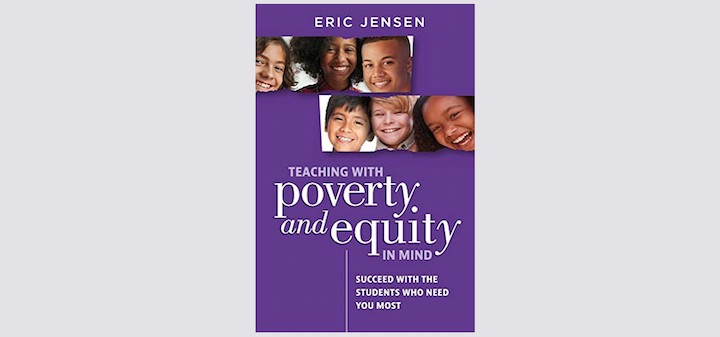
Succeed with Students Who Need You Most

If you are teaching in a low-performing, high-poverty school, Eric Jensen’s Teaching with Poverty and Equity in Mind is a must read, writes Anne Anderson. Jensen begins with the process of teachers adopting an equity mindset and offers proven tools to support all students.

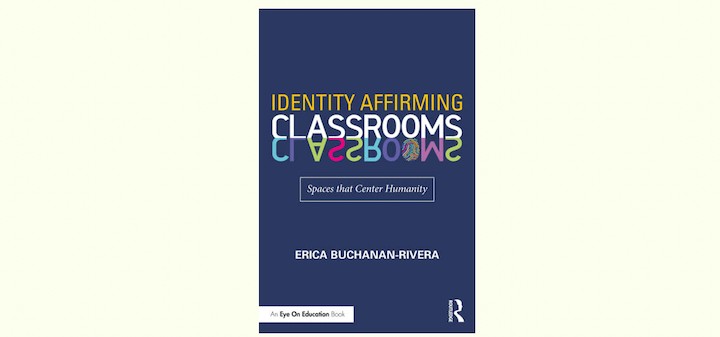
Learning Spaces That Affirm Students’ Identities

In Identity Affirming Classrooms: Spaces that Center Humanity, Erica Buchanan-Rivera provides teachers with the background knowledge, reflection tools and actionable practices needed to create identity-aware, student-centered environments. For all educators, says Katie Durkin.

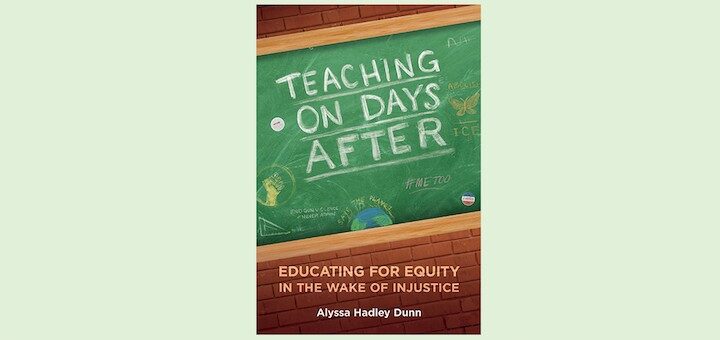
Educating for Equity in the Wake of Injustice

Alyssa Hadley Dunn’s Teaching on Days After offers research and narratives on how teachers can respond equitably on days after cataclysmic events so that they and their students “reach the full measure of their humanity.” Sarah Cooper recommends Dunn’s pedagogical strategies.

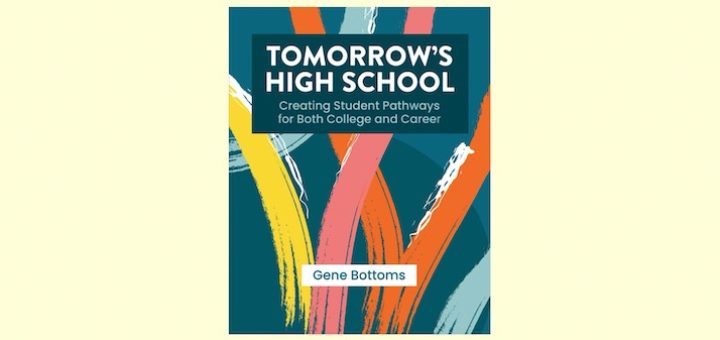
Adding Equity to College and Career Pathways

Gene Bottoms, a national CTE leader and secondary school reform advocate, discusses the inequities in opportunity found in current college and career practices and details steps to transform high schools into places that serve ALL students well, writes principal Frank Hagen.

Trauma-Informed Schools to Support All Students

In Equity-Centered Trauma-Informed Education, Alex Shevrin Venet has written not only to inform us but also to call us to reflect and take action, writes middle school leader Bill Ivey, who anticipates readers will evaluate their practices to find areas for improvement.