Category: Reading

Unlocking the Magic of Independent Reading

Jarred Amato “does a fabulous job” explaining how to structure an independent reading program in a middle to high school classroom. He not only explains the process well but also gives concrete examples of how to do activities and writing prompts, writes veteran literacy teacher Beth Hippen.

What’s Missing from the Science of Reading

Natalie Wexler dives deep into the gap between academic research and classroom application, firmly supporting the Science of Reading but arguing that a content-rich curriculum is essential to build the background knowledge older students need to understand more complex texts.

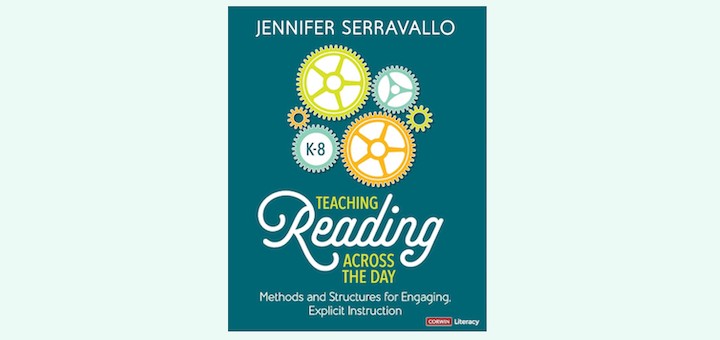
A Comprehensive Guide for Reading Instruction

In Teaching Reading Across the Day, Jennifer Serravallo’s blend of theory, research and engaging, explicit practice offers a roadmap for creating a classroom where reading is a central, dynamic component of the learning experience across subject areas, writes Melinda Stewart.

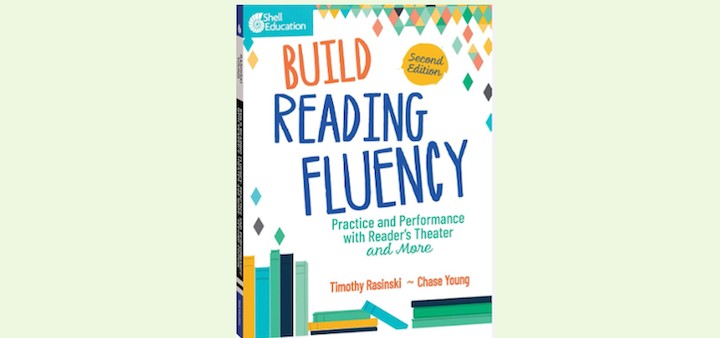
How Reader’s Theater Builds Reading Fluency

“Build Reading Fluency: Practice and Performance with Reader’s Theater and More” by Timothy Rasinski and Chase Young is a great resource to connect reading instruction, assessment and joy by sharing both the research and the practice, writes educator Claire Stein.

Routines for Creating Reading Communities

A Year for the Books is, in equal parts, about love of reading and how to organize a student-centered classroom environment for elementary and middle school students. ELA teacher Laurie Miller Hornik especially likes “Turning Beliefs about Teaching and Learning Into Actions.”

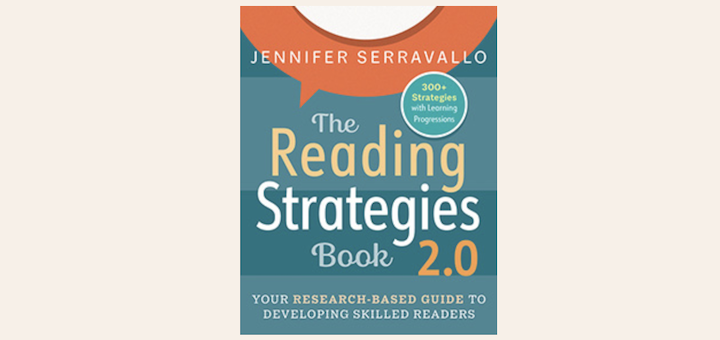
The Reading Strategies Book Gets an Update

The Reading Strategies Book 2.0 takes a great first edition and makes it even better, says literacy coach Pam Hamilton, noting Jennifer Serravallo’s contention that reading strategies are important across K-12. “This book should be in the hands of every teacher of reading.”

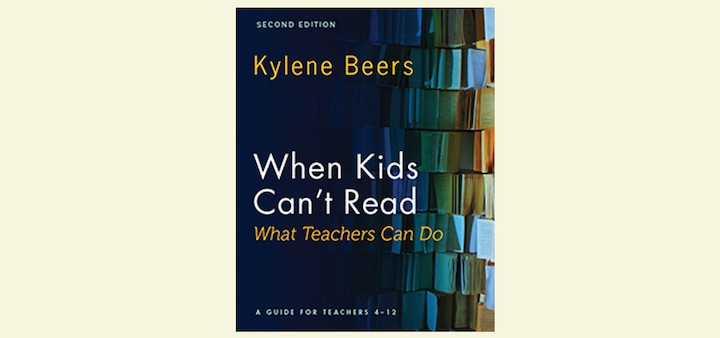
An Enhanced Edition of ‘When Kids Can’t Read’

Literacy coach Pam Hamilton finds lots to like in Kylene Beers’ latest version of When Kids Can’t Read – What Teachers Can Do. The second edition keeps some of her favorite features from the original and adds many new kid-tested ideas to help teachers reach all their students.

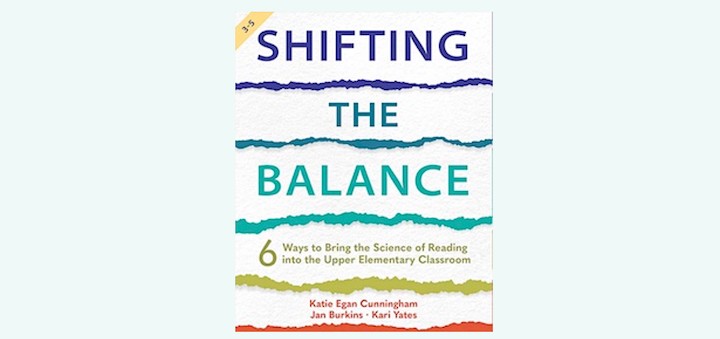
Bringing the Science of Reading into Grades 3-5

In Shifting the Balance (3-5), Cunningham, Burkins and Yates address common misunderstandings that weaken reading instruction in the intermediate grades. Fifth grade teacher Kathie Palmieri found herself impressed by and deeply immersed in the recommended shifts.

Boost Students’ Skills and Passion for Reading

To teach students to master standards while also cultivating a love of reading, Laura Robb offers new ideas and resources and a new outlook on old practices in Increase Reading Volume. It is exactly what teachers need for their reading blocks, says literacy leader Sarah Valter.