Teaching and learning in grades 4-8
Katie Durkin’s students were asking for more feedback on their realistic fiction writing assignment than she could possibly provide. With some hesitation, she decided to see if AI could help. Learn about the procedures she developed and why she’s pleased with the results.
With summer here and most schools done for the year, MiddleWeb has pulled together a diverse set of deep-dive PD articles you might have missed. They’re insightful, informative and actionable!
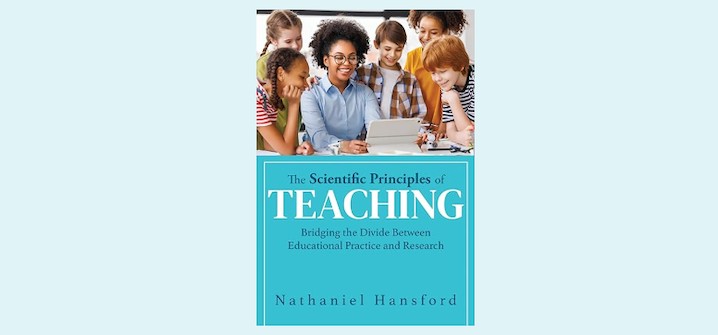
Sarah Pennington recommends The Scientific Principles of Teaching to educators in pk-12 and higher education due to its reader-friendly, well-researched content, and Nathaniel Hansford’s attention to a dozen of the most common controversies that surround the practice of teaching.
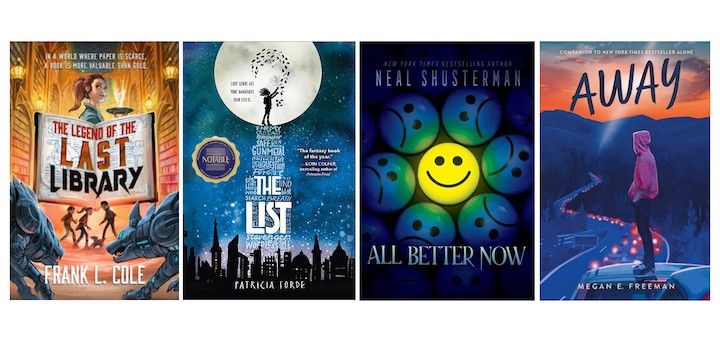
Teaching dystopian fiction offers students a meaningful way to engage with literature and social issues while developing critical thinking skills. Kasey Short suggests discussion questions, activities, and a sample of dystopian novels and short stories to capture students’ attention.
Endings – whether for middle or high school – are all about what comes next. We help students learn so they will be able to bring their learning forward to face new challenges. Students can benefit from our making these moves more explicit. Laurie Miller Hornik offers strategies.
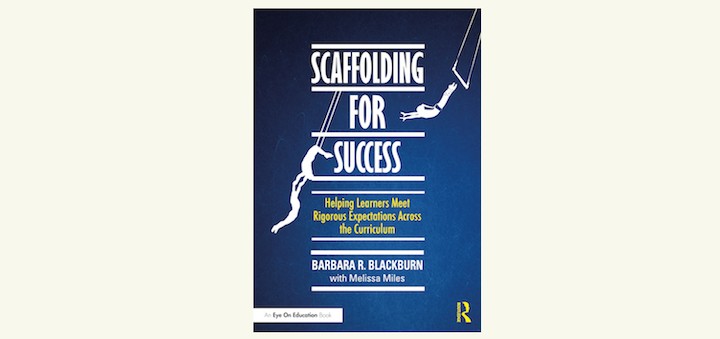
In “Scaffolding for Success” Blackburn and Miles explore the intricacies of educational scaffolding, offering educators a comprehensive framework to design supportive learning environments that enhance student engagement, learning and achievement, writes Melinda Stewart.
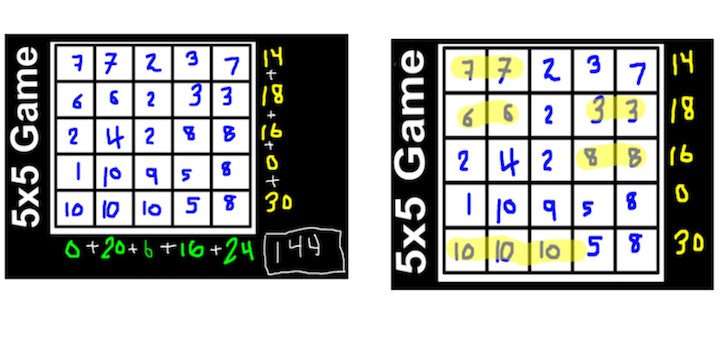
Teacher Michelle Russell likes to have some short activities on hand, in case she needs to fill extra time during math class. Here she shares several fun fillers that are easy to access, don’t require prep, and increase students’ math fluency, logic skills, or number sense.
We are living in an uncertain time with significant stress on institutions, including schools. Leaders play a critical role in helping their school community weather change and continue their commitment to serving each student. Williamson and Blackburn offer actionable advice.
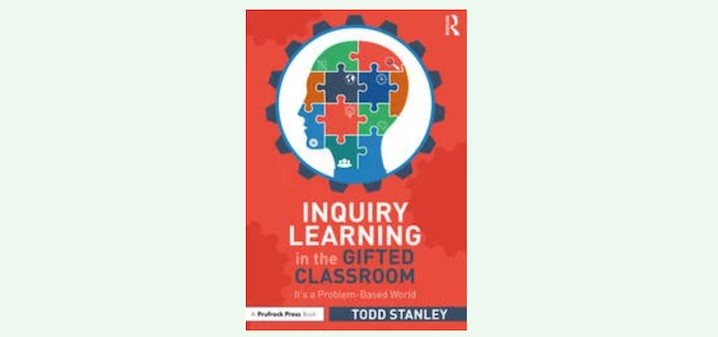
Project-based learning’s mischievous sibling, problem-based learning, is once again gaining traction in the educational sphere. Kim Rensch, a district gifted services leader, likes that Todd Stanley’s book goes deep into assessment after a thorough look at inquiry learning.
Just like Top Gun Maverick had to trust his jet’s tech while employing his instincts and training, teachers are learning how to fly with AI as a co-pilot. The responsibility lies with us to adjust AI’s suggestions. Curtis Chandler offers dozens of teacher-tested prompts to get started.