Tagged: Educational Leadership
Self-trust isn’t something school leaders can just turn on or off. It’s a skill they build through conscious action. Veteran educator and leadership author Jen Schwanke shares her “skill and will” model of personal trust-building with four action steps leaders can take today.
Ignacio Lopez writes that effective school leaders must possess five elements of emotional intelligence: self-awareness, self-regulation, motivation, empathy and social skills. All five must be used to implement decisions reached with disparate input and centered on students.
All students need excellent instruction every year of their school experience to reach their potential, writes principal coach Matt Renwick. That’s why an instructional framework is so important for a building team to select or develop and for a faculty to commit to as a school.
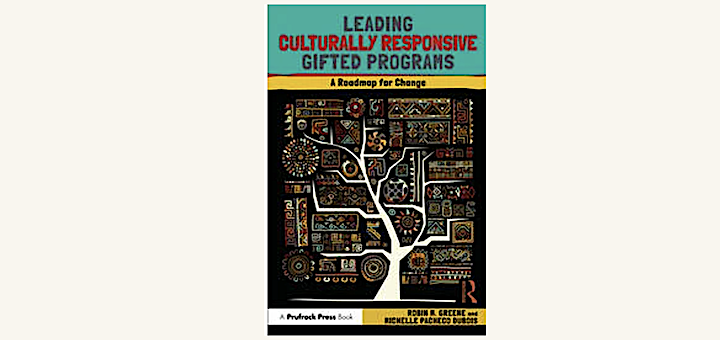
For educators who want to create culturally, linguistically sustaining gifted education policies and practices, Robin M. Greene and Michelle Pacheco Dubois offer a roadmap for change in their new book. Teacher Katie Galayda notes the book can be extended beyond gifted classes.
“I read professional books like movie critics watch films: with a critical lens and respect for my time,” writes veteran principal Matt Renwick. “If I am going to dedicate hours to a text that is supposed to help me improve as an educational leader, it needs to deliver.”
School leaders and leaders-to-be will find a rich resource in Douglas Fisher and Nancy Frey’s Leader Credibility. The authors and their co-authors use research, anecdotes and their own experiences to help readers engage, inspire and transform their schools, writes Jeny Randall.
Leadership consultants Ronald Williamson and Barbara R. Blackburn identify the essentials in shaping a school’s reputation and suggest ways the principal, teachers and staff can assure their school has a positive image among students and families and in the community at large.
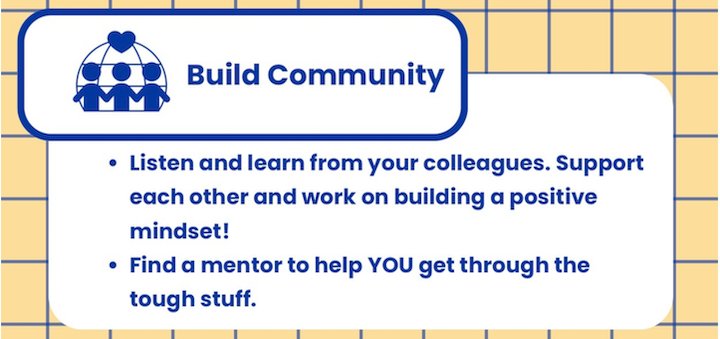
In her first year as a team leader, teacher Katie Durkin understands she has a lot to learn. But she’s already come to understand that effective leadership means building relationships, trust, and community among colleagues – with student success as the guiding principle.
A safe and stable school is essential to a successful instructional program, write Ron Williamson and Barbara Blackburn. That’s why it’s so critical for school leaders to anticipate what may be needed in a crisis and develop plans with contingencies for anything that may occur.
Educational leadership classes are great for the principalship. Not so much for the job of assistant principal. AP DeAnna Miller shares helpful advice she has found on her own in the books of Baruti Kafele (values and beliefs) and Ryan Donlan (day-to-day management and more).