Category: Writing

Latinx Teens Find Power in Narrative Writing

Narrative Writing with Latinx Teens is an amazing exploration of the role of narrative writing in the lives of Latinx adolescents. It is not just a guide for educators, but a rich examination of the intersection between culture, identity and storytelling, says Melinda Stewart.

Incorporating AI Support into Writer’s Workshop

Dennis Magliozzi and Christina Peterson share what they learned when they introduced AI into their 9th grade writer’s workshop model. Their results show how including AI can deepen inquiry, provide meaningful feedback in real time, and expand learning, says Catherine Cottingham.

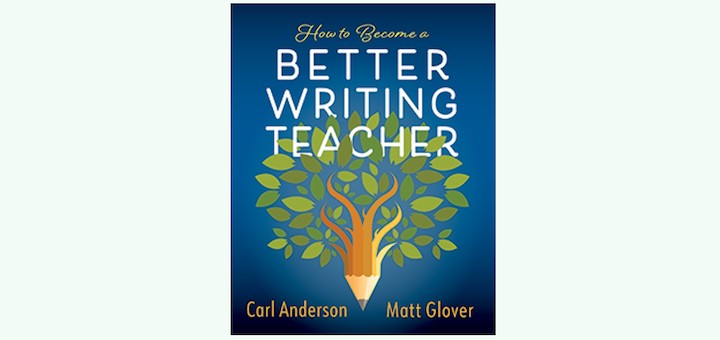
How We Can Become Better Writing Teachers

Anderson and Glover have authored a helpful, easy-to-follow book, writes veteran teacher Elisa Waingort-Jiménez. Their eight strategies center on specific craft and genre moves that will help teachers become better writers as they help students develop their own skills.

100-Word Stories to Support SLIFE Literacy

100-Word Stories is a valuable resource, providing a structured yet flexible framework that serves as a tool to enrich language instruction and a catalyst for exploration and creative expression in the classroom. It will be especially valuable to her SLIFE learners, writes Melinda Stewart.

Engaging All Students with Imaginative Writing

Teacher Ariel Sacks illustrates the value and practicality of offering more opportunities during writing instruction for students to imagine and create, says reviewer Stacy Haynes-Moore. One highlight: The book includes four months of curriculum with integrated roles for students.

Using 100-Word Stories for Expansive Writing

100-Word Stories: A Short Form for Expansive Writing by Kim Culbertson and Grant Faulkner is a wonderful resource for teaching with micro texts and for helping students in levels 5-12 develop both writing and reading mastery, writes middle school ELA teacher Erin Corrigan-Smith.

How Fiction Writing Can Transform Students

Thomas Newkirk urges ELA educators to move beyond simply assigning formulaic writing grounded in rubrics and include more fiction writing. Using research as well as student and teacher voices, he shows the benefits of encouraging creativity. A call to action, says Katie Durkin.

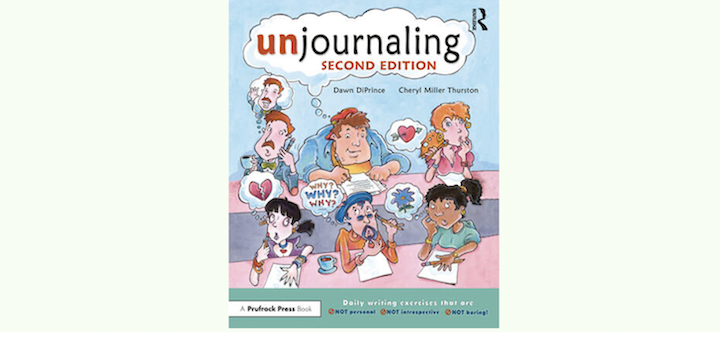
250 Boredom-Proof Writing Prompts. Fun!

In Unjournaling by Dawn DiPrince and Cheryl Thurston, students will find the book’s 250 prompts interesting and challenging, and teachers will appreciate the flexibility and variety this second edition brings to class. Everyone will have fun too, promises Anne Anderson.

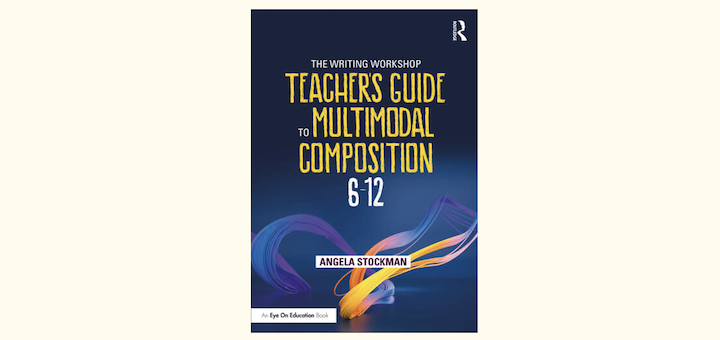
Useful Teacher’s Guide to Multimodal Composition

If you want to expand your students’ modes of writing (whether or not you use writer’s workshop) Angela Stockman’s guide offers great information and insight, says Megan Balduf, including the details of multimodal composition and appendices filled with powerful instruction.

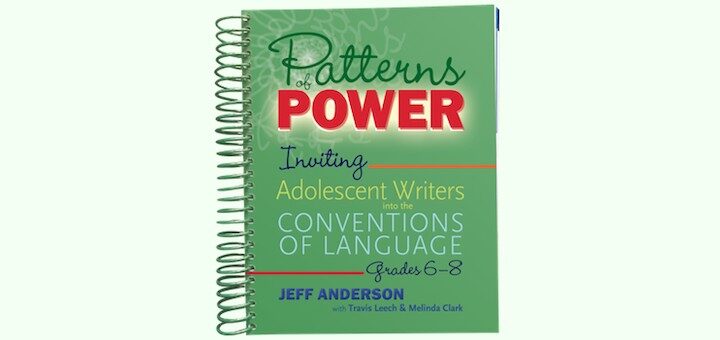
Bring Language Patterns Alive for Young Writers

Patterns of Power for grades 6 – 8 is a teacher-friendly, easy-to-navigate book that uses the invitation process to help students move beyond the traditional study of grammar so they can appreciate the patterns of language and conventions, writes consultant Anne Anderson.