
41 Search results

For the term "rick wormeli".

Homework, Grading, Late Work, Oh My…

Like many faculties, teachers at Jeremy Hyler’s middle school have struggled to find a workable grading policy that addresses late work and takes into account grade levels, content areas, and differing philosophies. Hyler wants to encourage learners, but what about rigor?

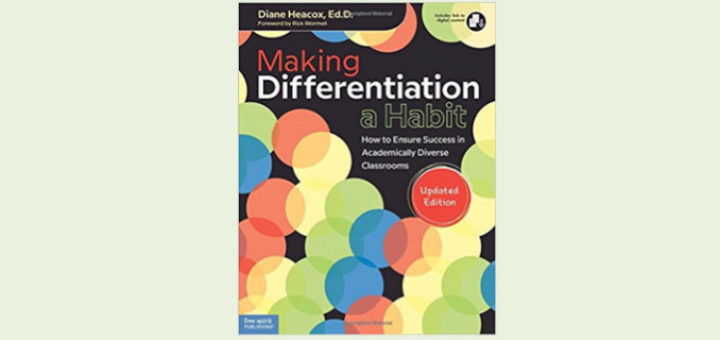
How We Can Differentiate Amid Academic Diversity

Diane Heacox presents differentiation tools that can be used immediately, and provides guidance for adapting them for a range of ages and content areas, ELLs, gifted students and kids with IEPs. Jeny Randall agrees with Heacox’s advice, “Start small, but start somewhere.”

ELA & SS: Differentiating Formative Assessment

Sheryn Spencer Waterman shows the way to make the evaluation as well as the curriculum fit the learner. Middle school teacher Joanne Bell finds the author’s fully developed discussion of differentiated formative assessments helpful for social studies and English.

MiddleWeb’s Top 16 of 2016

During 2016, each of these featured MiddleWeb posts enjoyed at least 10,000 reads by middle grades educators. Some were visited by as many as 60,000. We’re sure you’ll find something useful here as you “learn forward” and prepare yourself for the new year.

The Do’s and Don’ts of Good Homework Policy

If teaching time in school is used effectively, not much homework needs to be given, writes MS teacher Cheryl Mizerny. “When I do give homework, I make every effort to make it engaging, meaningful, and brief.” Read the do’s and don’ts underlying her homework policy.

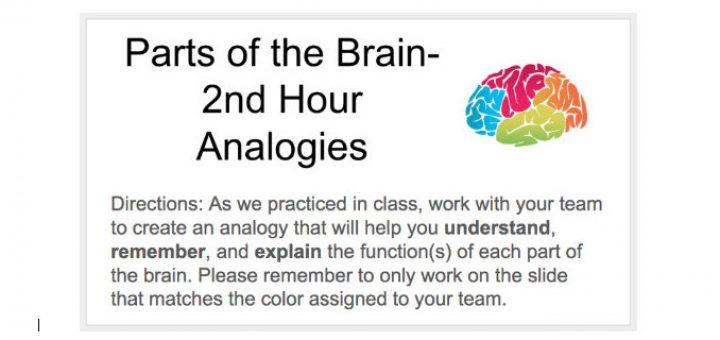
Analogies Plus Tech Can Deepen Understanding

Adolescents constantly work to make sense of new information, often by referencing what they already know. Teachers can help by introducing analogies. Curtis Chandler shares tips and tech tools to help put analogies to work, including Metamia and Google Slides.