Tagged: research

Surprising Research on Students and Motivation!

If you feel out of touch with our current student population, are at a loss for how to deal with students who don’t care, or want to glean some new motivational techniques, then read “10 to 25,” writes Sharon Ratliff. The book could be the spark you need this school year.

What’s Missing from the Science of Reading

Natalie Wexler dives deep into the gap between academic research and classroom application, firmly supporting the Science of Reading but arguing that a content-rich curriculum is essential to build the background knowledge older students need to understand more complex texts.

My Summer of Relaxed and Productive Planning

By time-blocking her summer calendar and intentionally carving out space for professional growth, this year NBCT Kathleen Palmieri was able to stay focused, reduce procrastination, and produce some of her best lesson plans ever. She shares some strategies that worked for her.

A Tool to Help Students Share Their Research

In the conclusion of their two-part series on supporting student research, our classroom teacher-authors share an Inquiry Chart tool educators can use to coach middle graders as they discuss how their findings are coming together, annotate their work, and plan next steps.

Use Inquiry Charts to Boost Student Research

When you ask students to research a topic, what happens? Chances are some students will struggle. The authors explain how they use Inquiry Charts to help middle grades students navigate the pitfalls of research and also develop agency as researchers and knowledge builders.

How Reader’s Theater Builds Reading Fluency

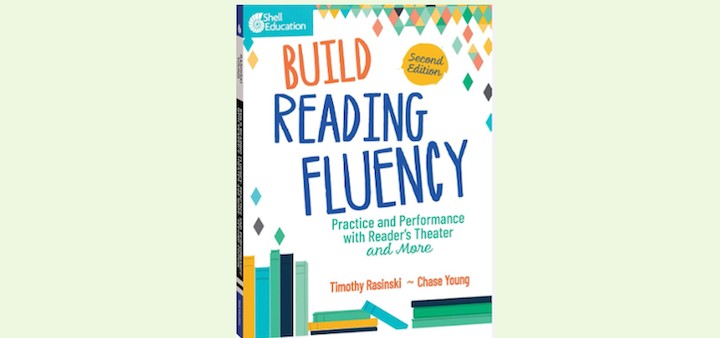
“Build Reading Fluency: Practice and Performance with Reader’s Theater and More” by Timothy Rasinski and Chase Young is a great resource to connect reading instruction, assessment and joy by sharing both the research and the practice, writes educator Claire Stein.

Taking Small Steps to Build Research Skills

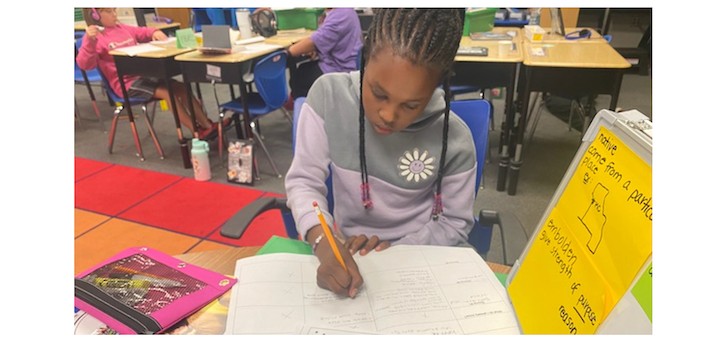
Research is a muscle Megan Kelly’s 6th grade social studies students are still building, and just like muscles, their skills get stronger with repetition. The goal is to make sure that the repetition isn’t tedious. Here are some ways she’s improving students’ research savvy.

10 Tools to Help Kids Develop Their Talents

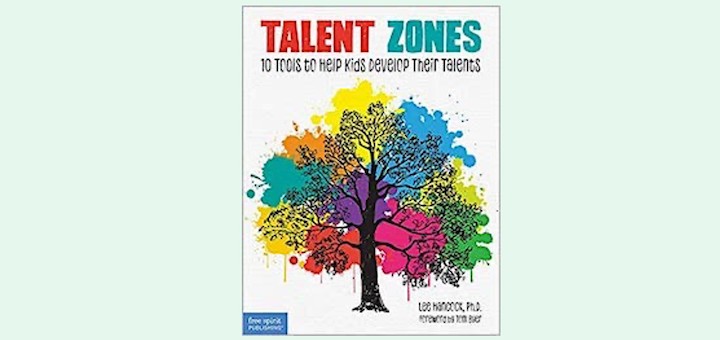
Lee Hancock’s “Talent Zones” provides a new perspective on developing talent and growing a healthy frame of mind in all our students and children – one that leads to confidence and success. School leader Virginia Hornberger urges teachers, coaches, parents to read it.

5 Fun, Ethical Uses of AI I’ve Shared with Students

As she describes some ways she’s begun to work fun, ethical AI components into major assignments, Sarah Cooper wonders how the nature of learning and teaching will evolve in tandem with the evolution of Large Language Models. How do we best prepare our students for the future?