How to Boost Learning in the Non-Core Subjects
By Barbara R. Blackburn
 When we talk about rigor, it’s often focused on the four core content areas: English Language Arts, Math, Science, or Social Studies. But rigor is for all students across all areas of learning.
That includes areas other than the familiar four – areas we sometimes called related arts. In this article, let’s look at some sample rigorous tasks and assignments from a variety of related arts classes.
Critiquing a Performance (Band, Chorus, Orchestra, Theatre, etc.)
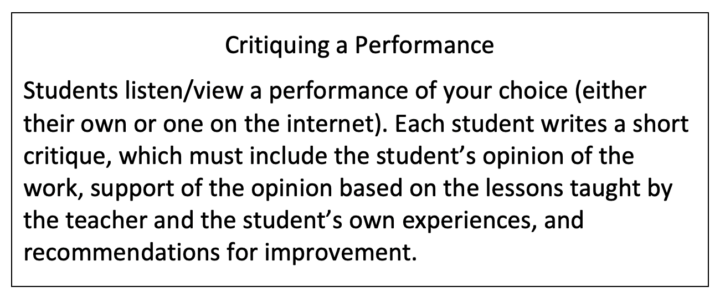 Often we ask students to give their opinion of a performance, perhaps a recording of a band or chorus performance, or a video of a drama. In order to increase the rigor, we shift the focus to students giving a critique based on what they have learned and their own experiences. This ensures more than a “It was good. I liked it” response.

Health Education
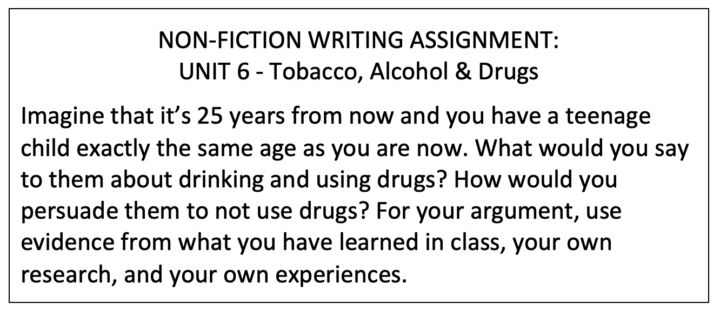 In this example, students shift their focus from description to persuasion, supporting their points with evidence. They must demonstrate their understanding of the content, but in a way that requires higher-order thinking.
Physical Education
In physical education, rigor can undergird activities; it simply looks a bit different from other subjects.
Perhaps you ask students to apply their knowledge of squats by teaching their partner how to squat. To increase the rigor, you might ask students to imagine they are a physical trainer. Then they use what they know about squats to diagnose strengths and weaknesses of another student based on their knowledge and the data from their partner’s workout.
Finally they diagnose a plan for improvement and teach it to the student. Notice the more detailed analysis that takes place throughout the second task.
Computer Science
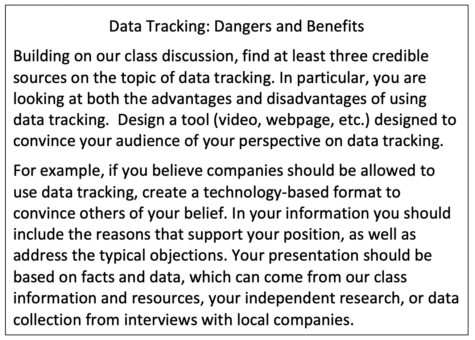 In this case, students are developing an argument on the topic of data tracking, which is to be based on material from class, their own research, and, if applicable, interviews with personnel at local companies as to their policies. Notice how students are pushed beyond writing a simple summary.
Career Technology
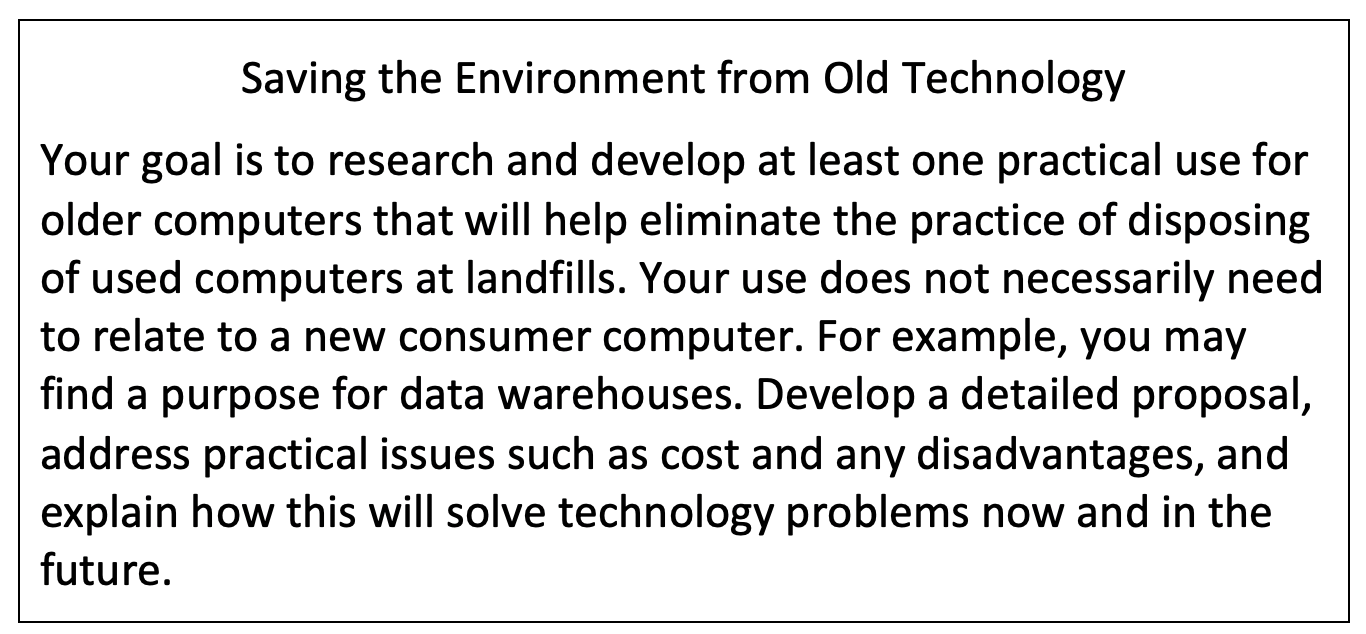 In this career-technology example, students are proposing a solution to a problem, which is a rigorous task. In addition to the solution however, they must create a detailed plan that addresses a variety of issues, which requires more thought.
A Final Note
Ensuring depth of instruction is a critical part of all learning. By making minor shifts such as the ones above, you can increase the rigor of your related arts instruction.
 Barbara R. Blackburn, a “Top 30 Global Guru in Education,” is a bestselling author of over 25 books and a sought-after consultant and teaching coach. She was a successful classroom teacher and an award-winning professor at Winthrop University and has taught students of all ages. In addition to speaking at conferences worldwide, she regularly presents virtual and on-site workshops for teachers and administrators.
Barbara is the author of Rigor and Differentiation in the Classroom: Tools and Strategies and Rigor is NOT a Four-Letter Word from Routledge/Eye On Education. In early 2023 her latest book, Rigor in Your Classroom: A Toolkit for Teachers (2nd Edition), will be published. Visit her website.