Teaching and learning in grades 4-8
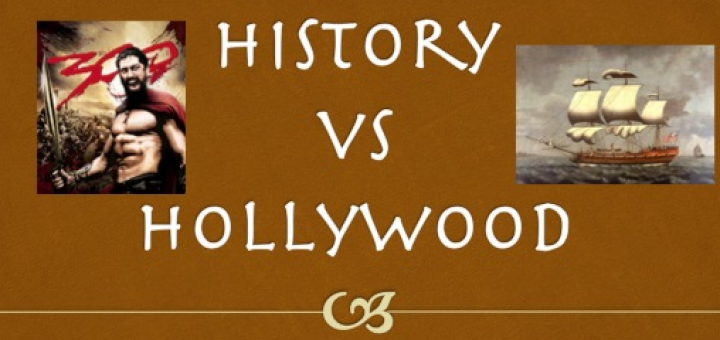
Numerous historical adaptions have been nominated for Academy Awards in recent years. Media literacy expert Frank W. Baker offers ideas and resources to help students examine their historical accuracy and address a middle-level Common Core standard.
When educators ask “what could I have done differently today to meet the needs of individual students?” they look for answers in data and assignments. The new book “RTI Is a Verb” breaks down the process into concrete pieces to implement in every classroom, says reviewer Sandy Wisneski.
Math Know-How: Answers to Your Most Persistent Teaching Issues (Grades 3-5) takes on topics of critical importance: the CCSS, teaching decisions, pacing guides, instruction, manipulatives, technology and reflection, says reviewer Sarah Parker.
Continuing a long tradition, Mary Tarashuk reads a novel aloud to her fourth graders after lunch. But this year, in pursuit of “close reading,” she tries out several graphic organizers to help them probe deeper into the dramatic novel Red Kayak.
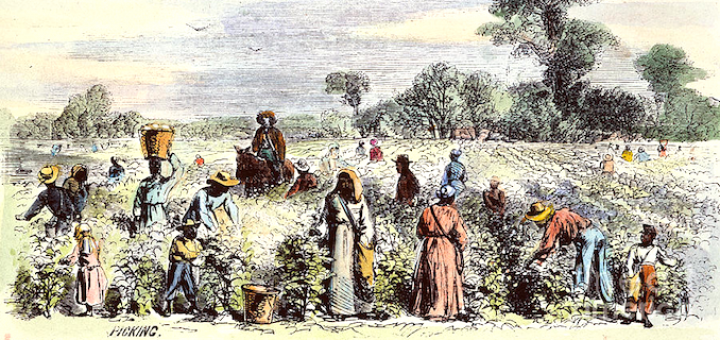
In history class, experiential lessons have great potential to transport students to another time and place, says teacher Aaron Brock, but they are difficult to orchestrate and can present ethical dilemmas. Brock shares a hands-on lesson from his Civil War unit.
It’s Not Complicated: What I Know for Sure About Helping Our Students of Color Become Successful Readers will motivate teachers to redouble literacy efforts, says Maribeth Wicoff, but she wishes the author had included more about effective strategies.
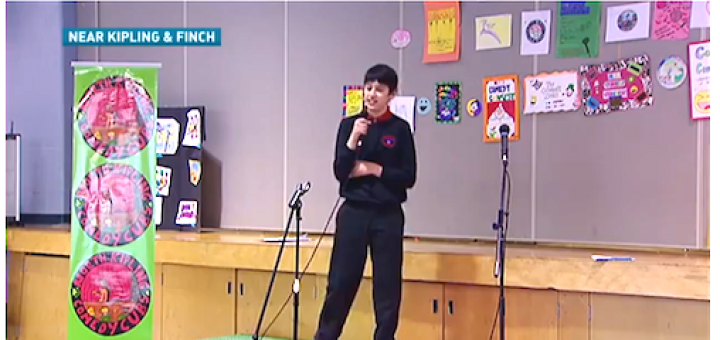
Former principal Sue Stephenson describes how she and a team of teachers recently helped seventh graders prepare and perform standup comedy routines, all the while learning serious writing, speaking and personal living skills. Video link included!
In Mindsets in the Classroom, says reviewer Katie Gordon, author Mary Cay Ricci provides a thorough foundation in what growth mindset is, why it matters, and how to foster it in key stakeholders, namely teachers, students, and parents.
In To Look Closely: Science and Literacy in the Natural World, Laurie Rubin draws you into her students’ excitement as they explore sun-lit spaces outside their classroom and participate in scientific observation, journaling, poetry and discussion.
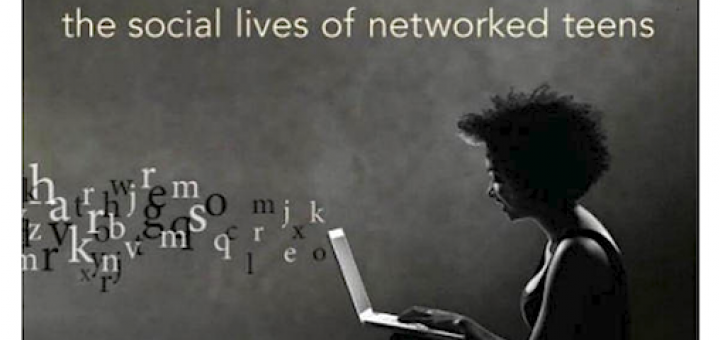
In her book about the social life of networked teens, Internet scholar danah boyd “issues a call to all of us who are adults to take more time to understand the shifts now taking place,” 6th grade teacher Kevin Hodgson writes. The guidance role of teachers & parents “has never been more important, nor more complicated.”