Tagged: background knowledge
In classrooms filled with conversations, oral instructions, and academic vocabulary, poor listening skills can drastically limit learning. Curtis Chandler shares seven simple activities educators can use to help students become active listeners who know more and retain more.
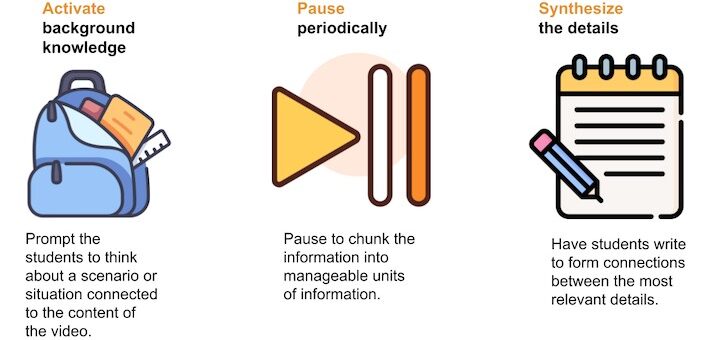
Explainer videos are challenging for multilingual learners because of the dense academic language, the rapid speaking pace and the large amount of content covered. Language specialist Tan Huynh shares strategies he uses to help MLs maximize the ‘learning gold’ videos offer.
Mona Iehl’s Word Problem Workshop lesson plan helped her realize that teaching math was just like teaching everything else. You have to allow students to bring themselves to the work – letting them use what they know and are able to do to figure things out. Then you step in.
When his two middle schoolers wondered about a tree house, principal Matt Renwick’s bright idea was to engage them in an at-home Genius Hour project. His three take-aways from the experience can help us understand the teacher’s role in creative learning and risk-taking.
Similar to reading, listening to what we hear during an interview requires comprehension and the active construction of meaning. Elizabeth Hagan, Lisa Friesen and Sunday Cummins share action research on ways to prepare students to conduct interviews they’ll enjoy and learn from.
Good teachers ‘stir the pot’ to activate student background knowledge before a new lesson. But what if student understandings are flawed? Teacher educator Curtis Chandler has research-based tips to help detect and fix the faults. Plus some tech tools that can add fun to the process.
Activating prior knowledge and building background knowledge are crucial steps in preparing students for whole class novels and other assigned readings. Cheryl Mizerny shares a dozen strategies she’s developed to promote enthusiastic reading among her students.
Both parents and teachers can benefit from reading Daniel Willingham’s thorough exploration of the science of reading and comprehension, gaining insights into what works with different age groups, says middle school educator Michael DiClemente.
Ivannia Soto guides educators teaching oral language skills and writing in the content areas to integrate CCSS writing goals with strategies that deepen learning among English language learners. Literacy coach Glenda Moyer recommends the book highly.
Overcoming Textbook Fatigue: 21st Century Tools to Revitalize Teaching and Learning benefits teachers who feel an urgency to abandon textbook dependency and create more relevant and engaging lessons, says reviewer Susan Shaver.