STEM and STEAM — What’s the Difference?
A MiddleWeb Blog
 I’ve had some more inquiries from folk in the middle school arena on whether they should implement a STEM program or a STEAM program. I don’t think it’s an “Either-or.” I think it’s a “Both.” The difference between STEM and STEAM – if there is a difference – is becoming increasingly muddled.
For example, the folk advocating STEM generally describe STEM education as the integration of science, technology, engineering, and mathematics to solve real world problems. They go on to acknowledge that solutions require innovation, creativity, analysis, teamwork, and communication; and always uses the engineering design process.
 STEAM advocates such as Dr. Nettrice Gaskins affirm the value of STEM but insist that the arts (including humanities) foster creativity, global awareness, design, and literacy; and provide an avenue for learning that adds to STEM.
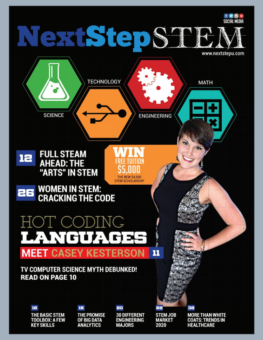
For a terrific article explaining current thinking about this issue, you’ll want to read Full Steam Ahead: The new frontier in STEM studies by Kate Alexander (see page 12). This article – which appears in NextStepU Magazine, a college and careers publication aimed at high school students and their families – makes a valuable point that the arts are far from new to STEM (something that may surprise both the STEM and STEAM aficionados.)
STEM and STEAM: A distinction without a difference?
When you listen to what folks are saying about STEM and STEAM education, they seem to be saying the same thing.
 ► Both STEM and STEAM education call for creative and critical thinking skills. Peter Osgood – also a contributor to Alexander’s Full Steam Ahead article (page 12), knows the value of unleashing creative instincts and points to studio art, sculpture, music, and the performing arts as a way for kids to liberate their minds. Ainissa Ramirez in her article, Creativity is the Secret Sauce in STEM, identifies creativity as a STEM virtue. She advocates play as one way to help kids become more creative – and playing with ideas and concepts can nurture creativity. Playing and imagining creative approaches and solutions for problems is, indeed, a secret sauce that can create more STEM interest and engagement.
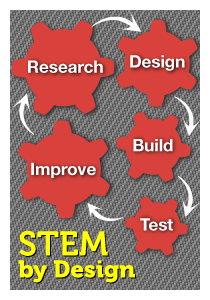
► Both STEM and STEAM use design processes that contain similar steps. The engineering design process involves creating prototypes, then testing, collecting data, and evaluating results before redesigning. A broader design process guiding thinking in the arts and humanities usually takes a comparable direction but may use more general terms to describe the design stages.
► Both STEM and STEM heavily emphasize communication. Communication in STEM education usually takes place through the visual, graphic, and auditory arts, or the language arts.
To demonstrate how wrapped up art is in this whole STEM movement, imagine being part of a team designing more earthquake-resistant homes. As you explain your idea, would you draw sketches to help your team mates visualize it? Would you look at pictures and schematics of such houses that have already been constructed? Such forms of art are such a natural part of STEM work that you may not even realize you are including art.
So what should a STEM coordinator or teacher do?
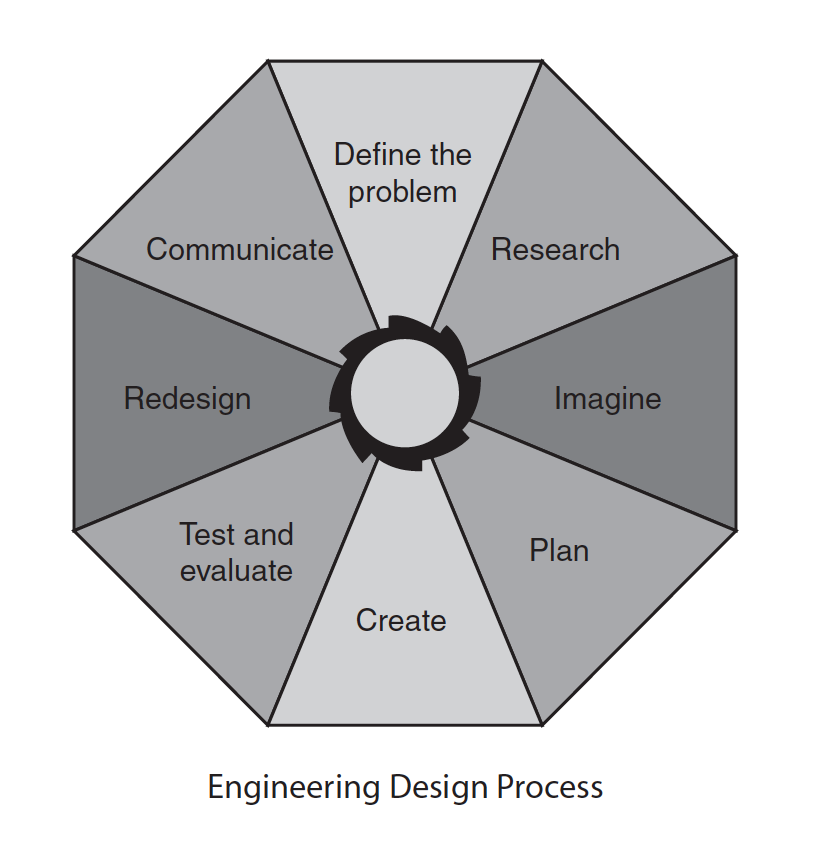 If you’re struggling to make a decision as to which program you need in your school, here’s my advice: Implement a program that will help kids develop a more in-depth mastery of science, math, and technology through an engineering design process. Use a PBL approach that involves both the arts and humanities in designing solutions for real world problems. Be sure it focuses on creativity, innovation, inventing, critical thinking, and collaboration. And call it what you will.
I shared some of these ideas in quotes you’ll find in the “Full STEM Ahead” story I cited above. If you’re interested, you can also read a short interview with me (p. 15) where I talk about reasons a young person today might choose a STEM career.
As I said there, it’s not just about if you like math and science. It’s also about whether you want to make a difference, and how you can best make that difference.
Visit Anne’s STEM By Design book site
for free lesson ideas and tools!