Teaching and learning in grades 4-8
James E. Harlacher presents useful strategies based on “decades of research” for instructors to directly teach behavioral expectations, effectively preventing some inappropriate behaviors. And there’s a chapter for responding to misbehavior, says teacher coach Glenda Moyer.
Media literacy expert Frank Baker offers a fresh idea for Black History Month – exploring the life, career and creativity of photographer, writer and director Gordon Parks, whose powerful images from the Segregation Era serve as iconic primary sources.
Don’t just think outside the co-teaching box – get out of the box altogether, into a no-boundaries partnership. Coach & NBCT Elizabeth Stein shares several strategies, including informal, efficient co-planning and divergent thinking activities to spark creativity.
Opening your classroom door to families for student presentations can be intimidating. Think gas leaks, mumbled swear words and flop sweat, says Amber Chandler. But it can also be the ultimate learning and bonding experience among families, students, and teachers.
When teacher Michelle Russell surveyed her students about personal interests and learning preferences, she found over one-third have anxious or negative feelings about math. She’s begun her search for strategies to address the problem – and she welcomes your ideas!
In FAST Grading, says veteran science/math teacher Joyce Depenbusch, Douglas Reeves has reached his goal of inspiring teachers and administrators to rethink grading and use his FAST strategies (Fair, Accurate, Specific, Timely) to optimize student learning.
PBL is an excellent vehicle for civic engagement, Zemelman’s From Inquiry to Action will help teachers prepare students to become global, responsible, and respectful, says teacher Linda Biondi. Its stories from the classroom and research show what is achievable.
Principals and other school based leaders will find succinct, useful discussions of building level concerns in Williamson and Blackburn’s The Principalship from A-Z. Educational leadership professor Margaret Jones-Carey also recommends the book’s online resources.
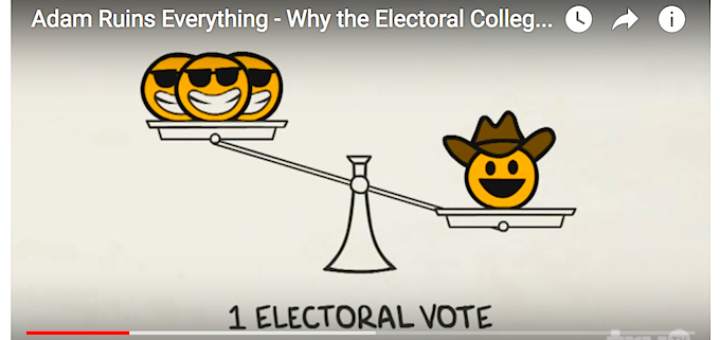
Discussing political news in class continues to feel like “walking on glass barefoot,” says Sarah Cooper. She’s drawn toward humorous interpretations of current events to reduce tensions. After some trial and error, Cooper uses four criteria for video selection.
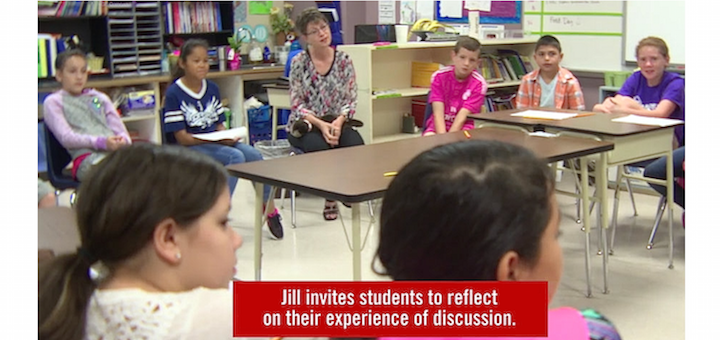
Quality questions are the “bait” that can hook students into deeper discussions and learning that sticks. Questioning expert Jackie Walsh shares a pair of videos and several templates that will help teachers plan a questioning process that pulls all students in.