Teaching and learning in grades 4-8
Jarred Amato “does a fabulous job” explaining how to structure an independent reading program in a middle to high school classroom. He not only explains the process well but also gives concrete examples of how to do activities and writing prompts, writes veteran literacy teacher Beth Hippen.
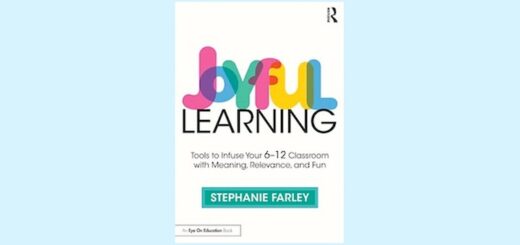
There’s something pleasingly counter-cultural about going analog with map construction, writes teacher Stephanie Farley. It helps students make connections they wouldn’t otherwise make, provides an entry point to deep conversations, and invites them to exercise their creativity.
Self-trust isn’t something school leaders can just turn on or off. It’s a skill they build through conscious action. Veteran educator and leadership author Jen Schwanke shares her “skill and will” model of personal trust-building with four action steps leaders can take today.
Neurodiversity Affirming Schools by Emily Kircher-Morris and Amanda Morin serves as a valuable call to action, encouraging all educators to reevaluate our practices and treat neurodiversity as an essential part of equitable education, writes behavior analyst Rachel Poirier.
Whose job is it to teach students what they need to know about deceptive social media, algorithmic advertising, and deep-fake artificial intelligence? Media literacy educator Frank W. Baker offers advice, resources, and a sense of urgency “in an increasingly deep-fake world.”
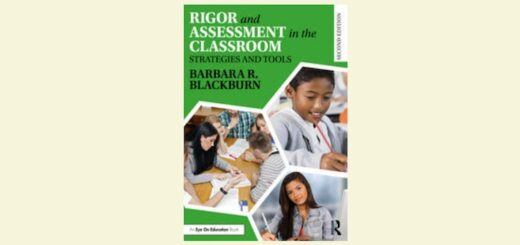
To teach a more effective lesson, you can use quick and easy pre-assessment strategies. Author and consultant Barbara R. Blackburn suggests 3 Alike/Red Herring, Word Sorts, If/Then, and Analyzing Web Content to gauge the readiness of your students and adjust your plan as needed.
In Enhancing Instruction for Multilingual Learners, Paula Polk positions coaching as a dynamic, collaborative process using concrete strategies that not only enhance the instructional skills of educators but also directly impact the success of MLs, writes Melinda Stewart.
Teacher Lauren Brown smiles when her history students eagerly make connections with content they’re studying in another class. Recalling a time when interdisciplinary teaching was common, she suggests ways teachers might revive a practice that emphasizes knowledge-based learning.
Discarded microplastics are everywhere, including inside humans. To advance students’ awareness of the effects of plastics and the options for decreasing them, author and science educator Anne Jolly shares STEM project ideas that focus on recycling, reusing and reducing plastic.
Juliana Tapper’s book describes her ‘Math War’ instructional strategies to reengage students who’ve turned away from math and to teach them the math they need to know. It’s written for math intervention teachers and useful to any math educator, says teacher Andrew Krasnavage.