Tagged: writing

Use Goal Setting to Grow Great Student Writers

Writing goals help students identify ways to improve in their writing and set specific targets they want to work on, says author-educator Valerie Bolling. Best of all, during the process students will see the growth they’ve made as writers and as goal setters.

Expository Writing: The Field Guide Project

Stephanie Farley is teaching expository writing to her class of gifted, neurodiverse students and needs to design a differentiated unit that addresses each of her students’ diverse strengths. Read about what she’s come up with – the Field Guide Project – and add suggestions!

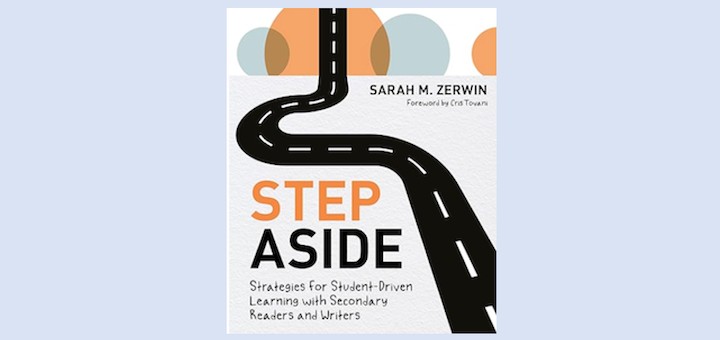
Support Student-Driven Learning in ELA Classes

Sarah M. Zerwin’s “Step Aside” is full of ideas for secondary teachers ready to build a classroom that supports and encourages students to become involved, engaged, and in control of their literacy learning, writes instructional coach Kathee Lamberies.

Literacy Skills Flourish with Our Daily Attention

Why do we read and write in the first place? ELA teacher Jason DeHart explores the importance of maintaining multiple avenues for students to read mentor texts, write every day, get teacher feedback, and collaborate as they create in English class and across content areas.

Have Fun Developing Creative Writing Skills

Creative writing exercises offer low stakes, high engagement opportunities for students to build writing skills while also having fun. Kasey Short shares a rich collection of character, plot and setting activities to help kids develop their voices as writers through the year.

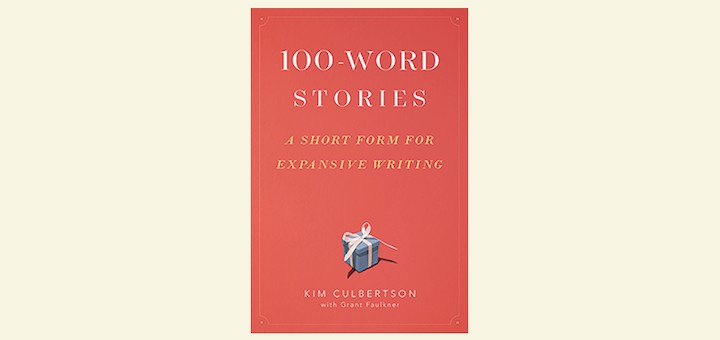
100-Word Stories to Support SLIFE Literacy

100-Word Stories is a valuable resource, providing a structured yet flexible framework that serves as a tool to enrich language instruction and a catalyst for exploration and creative expression in the classroom. It will be especially valuable to her SLIFE learners, writes Melinda Stewart.

2 Questions Help Move Kids Deeper into Texts

While questions about literature can focus on identifying elements, Jason DeHart wants to expand his students’ thinking beyond matching words and examples. He begins with two questions designed to move students deeper into a text: “What’s that?” and “What’s that doing there?”

Mental Time Travel for Student Well-Being

If we can teach kids to think about their futures with more specificity and positivity, then we can have a significant impact on not only their self-image but their well-being – critical work in our anxiety-ridden, social media-saturated times, writes teacher leader Stephanie Farley.