Talking with Students about Digital Passwords
A MiddleWeb Blog
 I teach an entire unit on the topics of Digital Citizenship, Digital Footprints and Digital Identity. We work our way into many veins of inquiry about what it means to be sharing so much in online spaces and how young people, like my sixth graders, need to be mindful and thoughtful about constructing a positive persona for themselves.
There is a great idea in former high school teacher Will Richardson’s thoughtful book, Why School?, that I keep in mind. He suggests that every student who graduates high school should be able to Google search their name and see what they have been doing for the past few years, in a positive light. But waiting until high school to start thinking about your digital footprint is waiting too long, in my opinion.
Getting started with tweens
I’m not sure about your students, but many of my 11 and 12 year olds are already on Facebook, sharing images on Instagram and sending text messages via SnapChat. Who knows that else they are up to.
I dread to think about them using Whisper to tell secrets about each other, but I wouldn’t doubt that it is happening. So much of the online activity in their lives takes place outside the adult field of vision.
Our closed comics space
 Our Digital Life unit, which is framed by some wonderful resources from CommonSense Media, aims to help my sixth graders better understand what they are doing when they are online – and how to be proactive, not reactive, in how they write and share in an online world.
But sometimes, like last year, I needed to carve out time early in the year to deal with the idea of respecting our online spaces and then tying that lesson into respect for themselves, our school and each other.
You can probably already tell from my banner and columns here at Working Draft that I like to use comics for writing and composing. You may also know that my students use an online webcomic space for work around various topics. It’s a private and closed space, with access only by students, although we do share out some comics with families via our classroom blog site.
Not so closed after all
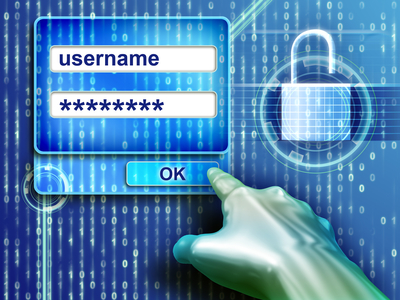 Real life events continue to inform those discussions. For example, there were two incidents in which another student accessed a friend’s account and messed around with their online spaces. Neither was anything too alarming but still … it required more than a single conversation with one or two students, and so that led to a long lesson about passwords, online spaces and friendship.
My students are at the age where friendship trumps a lot of things, including common sense at times. Unlike many adults, who understand that passwords are the lock on the door, many young people see the sharing of passwords as an act of friendship.
What they don’t count on is the friend using that information to either mess around with the other’s account as a means of playful fun (which often turns into something else). Or how giving up your password and later engaging in a dispute or squabble with a friend means they have ammunition to get back at you in online spaces. This second possibility can turn into cyberbullying in a blink of an eye.
Growing password appreciation
At some appropriate point, our conversations in the classroom turn to what a password is supposed to do, how to generate a powerful and strong password, and the difference between a friend hacking your account and a computer program trying to hack your account.
We talk about how our school online spaces, which we will use through the year, are a virtual extension of our classroom, and therefore, those spaces deserve the same respect as our classroom. It’s a message that I sometimes have to repeat to make sure I am being heard.
 I’d like to think the message does get through, and the range of classroom discussion we have often demonstrates a strong desire by my students to have the opportunity to talk through some of these issues. Parents certainly express thanks for these kinds of conversations happening in the classroom.
Time will tell as to how much has sunk in. I hope my students can align their online behavior and actions with the larger picture of digital identity they are already building for themselves and maintain a positive image for the years to come. We will stick with this. It’s that important.












Time was when I spent days on this topic also. The beginning of this year was so hectic that it slipped by. Fortunately, my students this year have kept their hands on their own wiki pages. Even so, I appreciate the reminder, Kevin. Last year, it took one student’s poor choice to get me to focus on their digital responsibilities, but I know the value in being pro-active. I need to take a time-out and re-focus them on this. I’ll be looking back at what I’ve used in the past, checking your links, and possibly contacting you soon about it.