Teaching and learning in grades 4-8
When we give students time to read a book they’ve chosen, time to practice skills and strategies they’ve been taught, time to read for pleasure and intellectual growth, time to talk about what they’ve read, they build reading stamina and endurance, write Dorfman and Krupp.
Patty McGee invites teachers to infuse some “Harry Styles magic” into social-emotional learning. In countless ways, Styles’ lyrics can be surprisingly fun and effective to build emotional IQ, acting as springboards for exploring and learning about our emotional landscape.
Michelle Russell starts the year with math activities that refresh skills and show students that her class will be welcoming to those with math anxiety. Multiplication refreshers, coloring books, Polaroids and shooting hoops help develop a supportive community.
Students in the middle grades think in polarities and will go to great lengths to avoid embarrassment, writes author and school counselor Phyllis Fagell. But with the right supports, they can learn to take risks – asking questions, joining discussions and learning more.
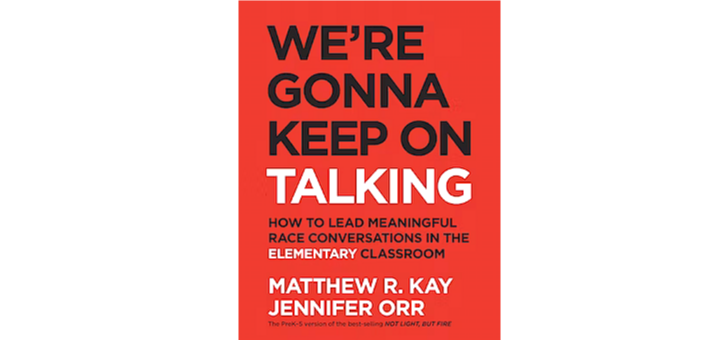
Reviewer Kathleen Palmieri says her 5th graders are already having race conversations socially. The guidance in We’re Gonna Keep On Talking can help elementary teachers build community and help students discuss race as it has affected life and culture in the past and today.
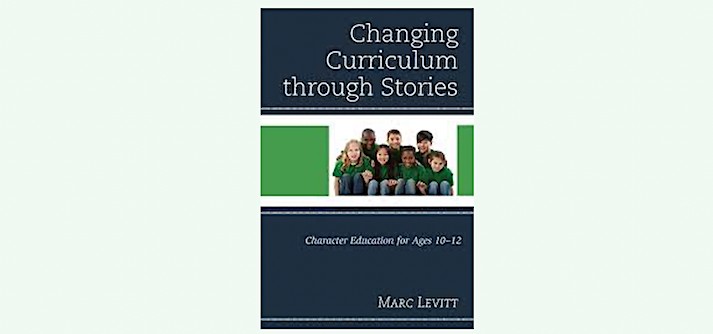
In Changing Curriculum through Stories: Character Education for Ages 10-12 Marc Levitt shows how personal stories, folktales and fairytales can act as catalysts for reflection and deeper comprehension. Dr. Kevin D. Cordi finds his notes to teachers and students quite helpful.
What teachers do the first weeks of school has a dramatic effect on student engagement and achievement the rest of the year. Building a classroom culture of learning and questioning – co-created with students – paves the road to success. Jackie Walsh and colleagues show us how.
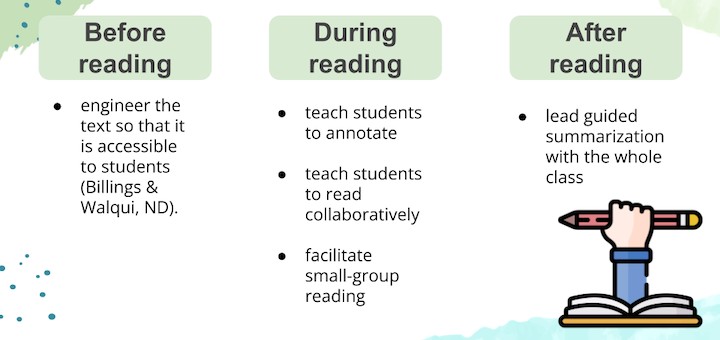
To help long-term English learners meet reading comprehension challenges, language specialist Tan Huynh shares strategies to use before reading, during reading, and after reading so that multilinguals have the scaffolding they need to read grade-level texts with understanding.
Allison Paludi’s search for student note-taking that makes learning sticky led her to the brain-based concepts of Zaretta Hammond and Harvard’s Project Zero. Applying Hammond’s “ignite, chunk, chew and review” she fashioned a new notes strategy that’s “truly deepened learning.”
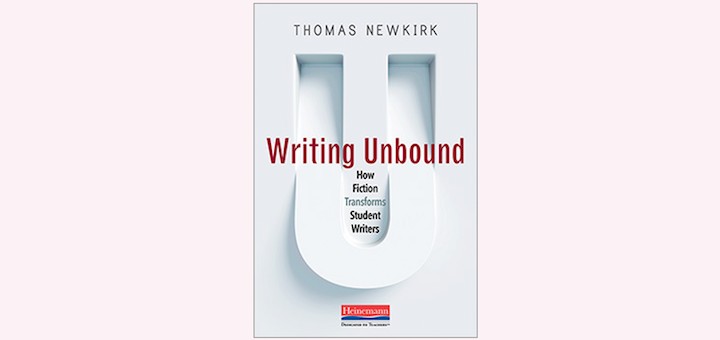
Thomas Newkirk urges ELA educators to move beyond simply assigning formulaic writing grounded in rubrics and include more fiction writing. Using research as well as student and teacher voices, he shows the benefits of encouraging creativity. A call to action, says Katie Durkin.