Teaching and learning in grades 4-8
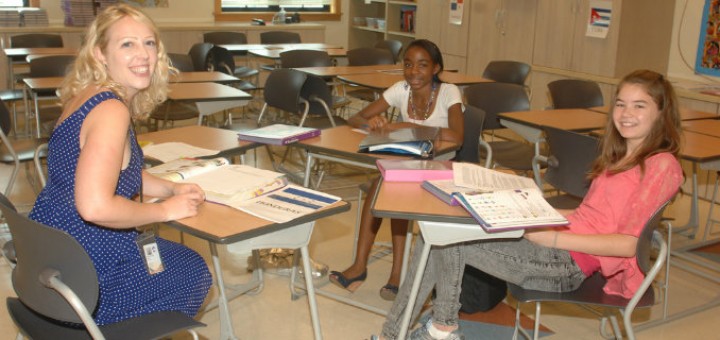
As weeks turn into months, co-teachers can look back to gauge how well their partnership is working and then consider adjusting their practice to benefit all students. Elizabeth Stein suggests revisiting and implementing four tried and true co-teaching models.
Because of the powerful way school culture shapes the activity of students, teachers, and administrators, it’s worth investing the effort to assure it sends a positive message. Ron Williamson and Barbara Blackburn suggest leadership actions to build values.
STEM learning can open up new worlds for elementary kids as it grows problem solving and teamwork skills – all the while building a foundation for the middle grades. Anne Jolly provides elementary teachers with ideas and resources to begin integrated STEM.
Heather Wolpert-Gawron’s passion for PBL goes back to her elementary years. Nowadays she builds units for middle schoolers to encourage their journeys through learning. Here she shares a structure to support students while simplifying teachers’ preparation.
Debbie Zacarian and Michael Silverstone successfully build the case for school and community partnerships in diverse settings that are two-way relationships with the goal of increased student achievement, both academic and social, says principal Deb Hubble.
Jerry Burkhart’s Advanced Common Core Math Explorations: Fractions Grades 5-8 can change middle graders’ attitude about fractions from consternation to curiosity and “produce true knowledge of the essence of all types of fractions,” says teacher Karen Bloom.
Teacher Teamwork explains the stages of effective team building, including agendas, routines, common purpose & more. Educator Laura Von Staden reports the book is right on point in terms of activities & concepts to implement, but may be overly time consuming.
The difficulty students have in writing clearly can be traced to many factors, says literacy consultant Sarah Tantillo, from muddled pre-CCSS standards to weak teaching practices. Here she offers concrete suggestions to correct persistent writing problems in the secondary grades.
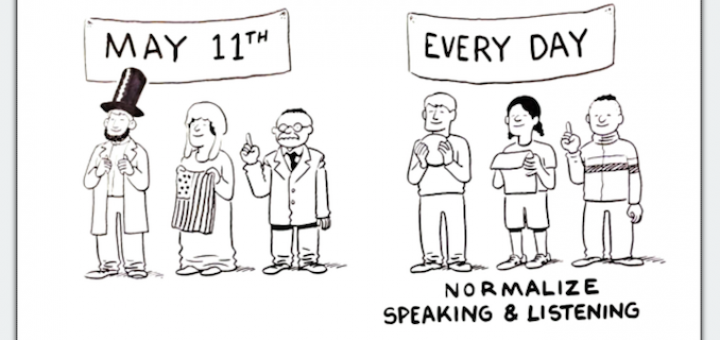
Our students are not successful oral communicators, says author-consultant Erik Palmer. Yet the rise of connected learning, podcasts, Face Time, Zoom, Snapchat, TikTok, YouTube Shorts) make speaking and listening skills essential. Read (and watch) Palmer’s compelling case for change.
Song parodies can help students in history class create connections for themselves as they write their own lyrics about important events. As it turns out, writing songs in groups can also invoke 8th grade social machinations, teacher Jody Passanisi reports.