Tagged: grading

Everything I Knew about Grading Was Wrong

Thanks to her “joyful” journey from traditional to competency-based grading, teacher and instructional coach Stephanie Farley has seen not only more growth of skill among her students but also increased competence, “which increases confidence, which increases resilience.”

8 Ways I Use Feedback to Drive Student Growth

For students to get the most out of feedback, they need to know that the teacher believes in their potential and wants to help them continue to grow. Kasey Short shares tips to build trust and strategies to make feedback a driving force in daily instruction and improvement.

Tools to Fill Classrooms with Joyful Learning

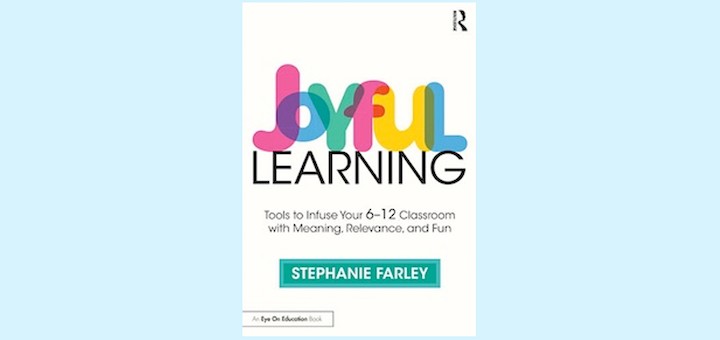
Joyful Learning offers a student-centered vision to help teachers bring more meaning and fun into their practice. It offers a framework for considering key elements of teaching practice like relationships, curriculum, assessment, grading, assignments, writes Nicole Miller.

Providing Extra Credit: Positive or Negative?

The decision to give students “extra credit” should be closely tied to a teacher’s reasons for grading, says teaching coach Barbara Blackburn. Do you grade to measure understanding, provide accountability or compare students? She includes a “redo” tool – her preferred option.

The Year I Figured Out Student Self Assessment

It took Stephanie Farley 21 years to solve the student self-assessment equation. The solution? Teaching students to explain their thinking as they revise and improve. The result was transformational; they gained confidence in their work and were far less anxious about grades.

Barricade Yourself from Burnout Starting Now

Where there are challenges, there are also opportunities for creativity, novelty, and adventure to put a barricade between us and burnout. Stephanie Farley offers strategies to help teachers avoid or at least soften the sense of emotional exhaustion that leads to collapse.

What Kind of Feedback Best Motivates Students?

Teachers are feedback machines – “we do it all day long!” – writes classroom teacher and popular blogger Larry Ferlazzo. Here he focuses on ways to give feedback that’s particularly effective at enhancing students’ sense of competence and encouraging intrinsic motivation.

Getting Real in Avoiding Burnout and Finding Joy

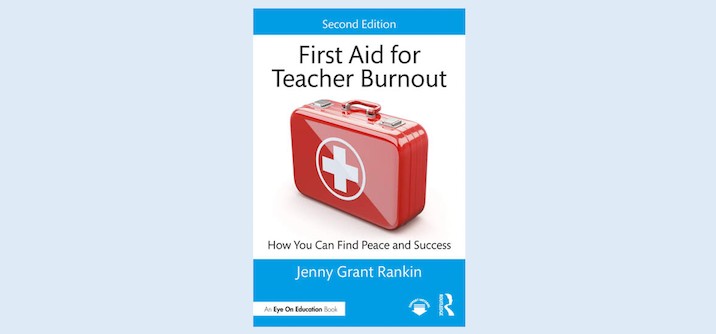
Stress, excessive workload, unrealistic mandates, and daily expectations can add up to burnout. Jenny Grant Rankin’s First Aid for Teacher Burnout combines strategies to alleviate stress, streamline grading, tame technology and practice self care. Essential reading!

A Guide to Expanding Virtual Teaching Skills

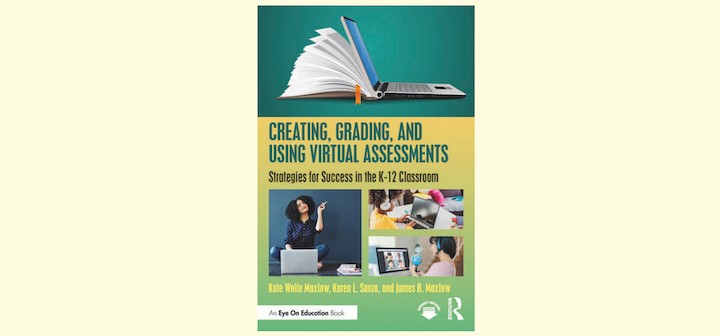
Building on the surge in virtual and blended teaching during the pandemic, the authors show how teachers across content areas can further develop their virtual and digital skills. Their well-organized book sustains an accessible, mentoring tone throughout, writes Theresa Wood.

A Fresh Look at First Aid for Teacher Burnout

While coping strategies can help those facing burnout, teaching careers are more sustainable when educators also slash workload and stress-inducers. Jenny Grant Rankin looks at the burnout pandemic and urges teachers to reduce grading and focus on planning quality lessons.